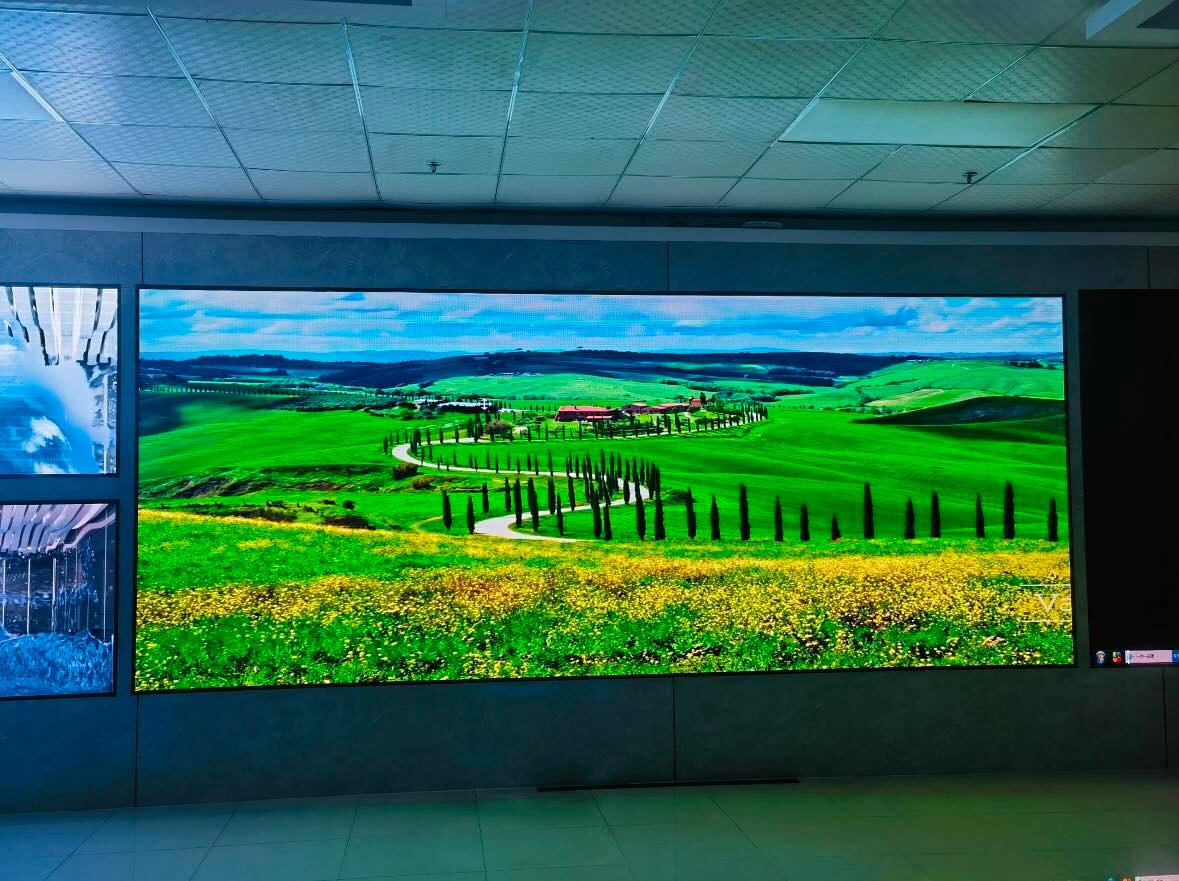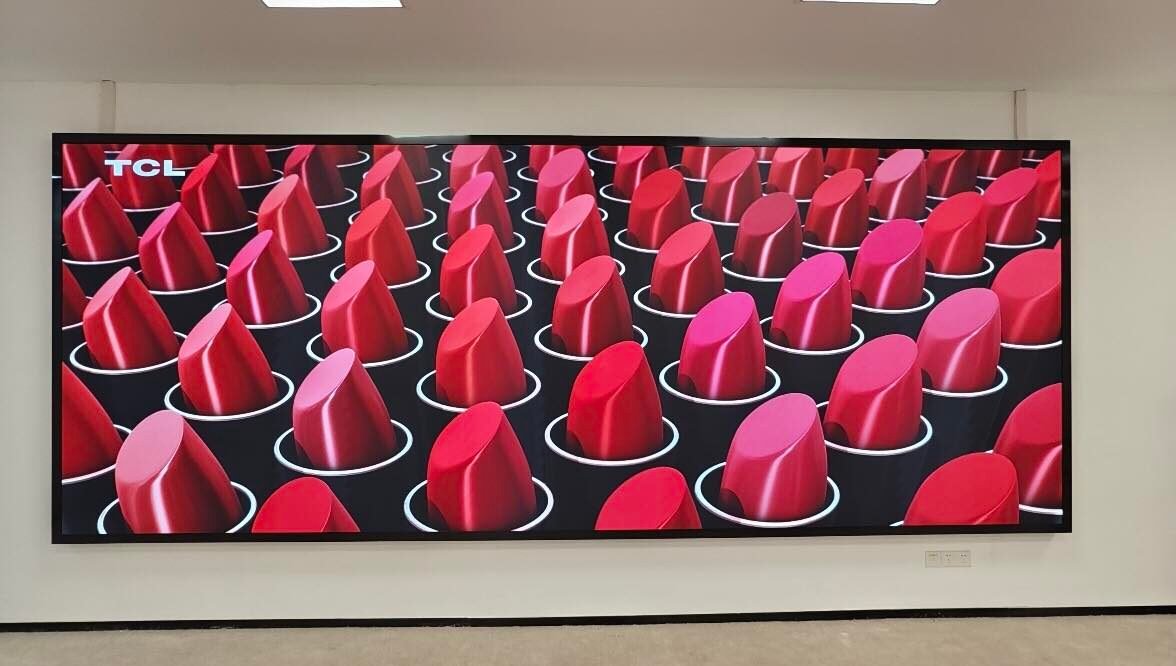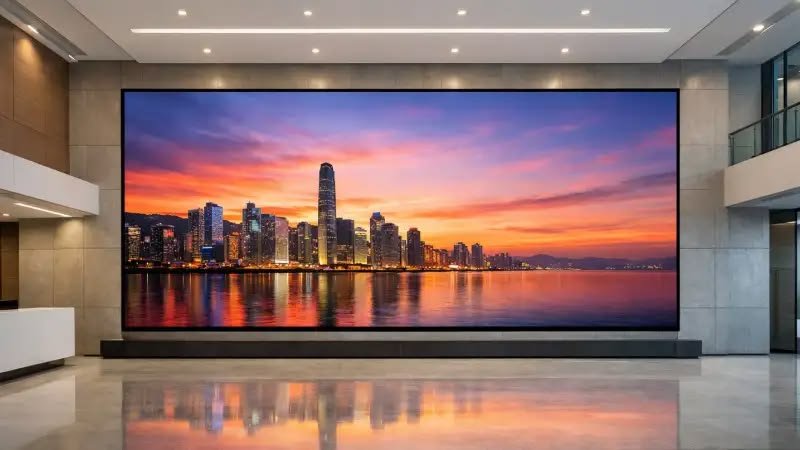
4K LED Display Screen
4K LED Display: The Ultimate Guide to Crystal-Clear Visual Excellence
Whether you’re outfitting a corporate boardroom, a retail showroom, or upgrading your home cinema, a 4K LED display delivers unmatched clarity, vivid color, and energy-efficient performance. This guide covers everything you need to know before investing in a 4K LED screen.
What Is a 4K LED Display?
A 4K LED display combines two technologies: a 4K Ultra HD resolution panel (3840 × 2160 pixels) with LED (Light Emitting Diode) backlighting or direct-emission technology. The result is a screen that delivers four times the pixel density of standard Full HD, producing images so sharp and detailed they appear almost lifelike.
Unlike older LCD panels that rely on cold-cathode fluorescent lamps (CCFL), LED-backlit screens offer precise local dimming, deeper blacks, and significantly better contrast ratios — making every frame, presentation slide, or product image pop with extraordinary depth.
Key insight: 4K LED displays are not just about resolution — the combination of LED brightness, wide color gamut (often covering 90–100% of DCI-P3), and High Dynamic Range (HDR) support creates a total visual experience that transforms how content is perceived.
How Does 4K LED Technology Work?
Modern 4K LED displays use one of several backlighting architectures:
Full-Array Local Dimming (FALD)
LEDs are arranged in a dense grid behind the entire panel. Individual zones can be dimmed independently, allowing bright highlights and deep shadows to coexist in the same frame — ideal for high-contrast content like movies, digital signage, and data visualization.
Edge-Lit LED
LEDs are placed along the screen’s edges, allowing for slimmer panel designs. While not as precise in dimming control as FALD, edge-lit 4K displays offer excellent brightness uniformity and a sleek form factor, making them popular for corporate display walls and retail environments.
Direct-View LED (dvLED / MicroLED)
Each pixel is an individual LED element. This architecture achieves the highest brightness levels (often 1000–5000 nits), infinite contrast ratio, and modular scalability — perfect for massive video walls in airports, stadiums, and exhibition halls.
Key Benefits of 4K LED Displays
Superior image clarity
8.3 million pixels deliver crisp text, detailed graphics, and photorealistic imagery at any viewing distance.
High brightness output
LED technology achieves 400–5000+ nits, ensuring visibility in brightly lit environments and direct sunlight.
Wide color gamut
Support for DCI-P3 and HDR10 enables rich, accurate color reproduction across the full visible spectrum.
Energy efficiency
LED consumes up to 40% less power than legacy plasma or CCFL-backlit panels of comparable size.
Long lifespan
Rated for 50,000–100,000 hours of operation — ensuring years of reliable performance with minimal maintenance.
Scalable & modular
Direct-view LED tiles can be combined into custom sizes and aspect ratios to fit any architectural space.
Top Applications for 4K LED Displays
The versatility of 4K LED technology makes it the go-to solution across multiple industries:
Corporate & Conference Rooms
Crystal-clear 4K resolution ensures spreadsheets, presentations, and video conference participants are displayed with perfect legibility — even from the back of a large boardroom. Integration with wireless casting and collaboration platforms (Microsoft Teams Rooms, Zoom Rooms) is now standard.
Retail & Digital Signage
High-brightness 4K LED screens capture attention in storefront windows, shopping malls, and point-of-sale environments. The vivid color accuracy ensures product imagery looks its best, directly influencing purchase decisions.
Control Rooms & Command Centers
Operators rely on ultra-wide 4K video walls for real-time monitoring of critical infrastructure. The sharp resolution allows multiple data streams to be visible simultaneously without loss of detail.
Education & Classrooms
Interactive 4K LED panels are replacing traditional projectors in modern classrooms. Touch functionality, low blue-light modes, and anti-glare coatings make them comfortable for all-day student engagement.
Home Cinema & Entertainment
For home theater enthusiasts, a large-format 4K LED TV or projector screen paired with Dolby Vision HDR creates an immersive cinematic experience that rivals commercial theaters.
What to Look for When Buying a 4K LED Display
Choosing the right display requires balancing several technical specifications against your use case and budget:
Brightness (nits)
Indoor environments: 300–500 nits. Semi-outdoor or bright retail: 700–1500 nits. Outdoor direct sunlight: 2500–5000+ nits.
Refresh rate
For static content and presentations, 60Hz is sufficient. For gaming, live video, or motion graphics, opt for 120Hz or higher to eliminate motion blur.
HDR support
Look for HDR10, HDR10+, or Dolby Vision certification. These standards ensure compatible content is tone-mapped for the display’s dynamic range, producing more natural highlights and shadow detail.
Connectivity
Ensure the display includes HDMI 2.1, DisplayPort 1.4, and USB-C inputs. Smart displays with built-in Wi-Fi 6 and Bluetooth are ideal for wireless content sharing.
Pixel pitch (for LED video walls)
Pixel pitch defines the gap between LED clusters. Smaller pitch (P1.2–P2.5) suits close-up viewing; larger pitch (P3–P10) is appropriate for large halls and outdoor signage.
Frequently Asked Questions
Find the perfect 4K LED display for your space
Browse our curated selection of professional-grade 4K LED screens — from boardroom panels to large-format video walls.
Retail LED Display Screens Available Now Across the UAE
Serving all Emirates:
📍 Dubai • Abu Dhabi • Sharjah • Ajman • Ras Al Khaimah • Fujairah • Al Ain • Umm Al Quwain
🌍 We also export to all GCC countries and Africa.
Get the best prices and exclusive offers today!
Contact us now on WhatsApp for a free consultation and quotation.